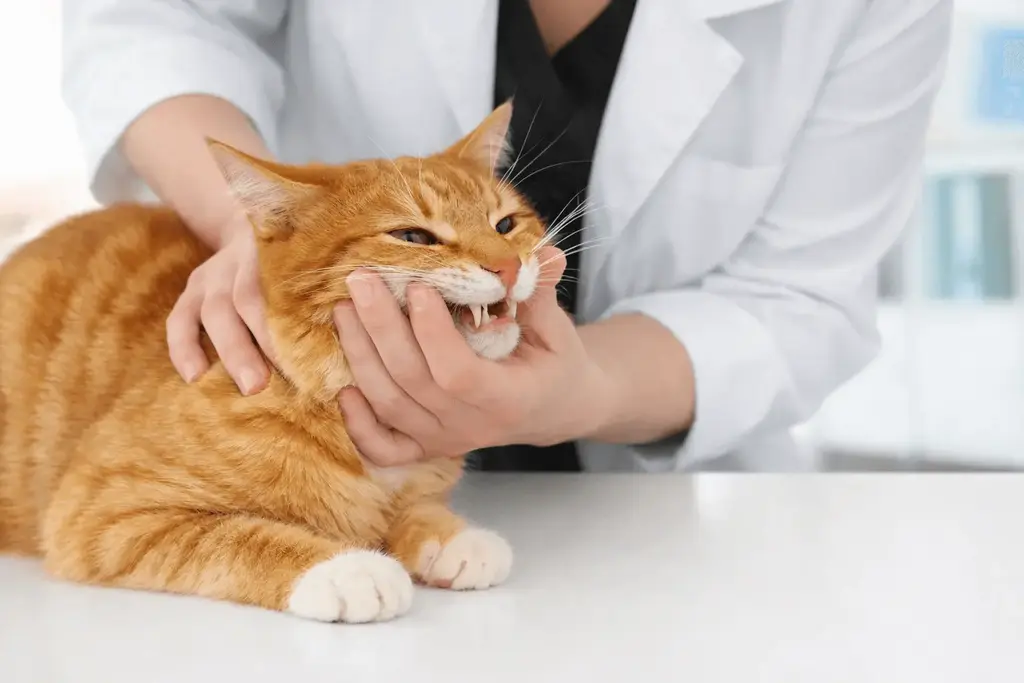
When was the last time you looked inside your pet’s mouth?
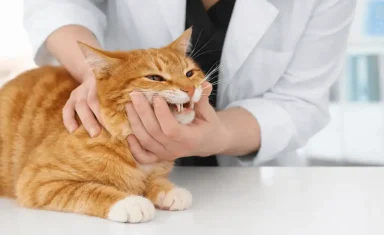
Dental disease is one of the most common health problems affecting dogs and cats, yet it’s often overlooked because pets are experts at hiding discomfort. In fact, most pets show signs of periodontal disease by the time they’re three years old. Left untreated, dental disease can lead to chronic pain, tooth loss, infection, and even affect other parts of the body.
Knowing what to look for can help you catch problems early and keep your pet healthy for years to come. Here are seven signs it may be time to schedule a professional dental evaluation.
1. Persistent Bad Breath
Let’s be honest—your dog’s breath probably isn’t minty fresh. But if you’re noticing an unusually strong, foul, or unpleasant odor, it could be a sign of dental disease rather than just “dog breath.”
Bad breath is often caused by bacteria that build up beneath the gumline. As plaque hardens into tartar, bacteria multiply, leading to inflammation, infection, and periodontal disease.
If your pet’s bad breath seems worse than usual or doesn’t improve, it’s time for a dental exam.
2. Yellow or Brown Tartar on the Teeth
Plaque begins forming on your pet’s teeth every day. If it isn’t removed through regular brushing, it hardens into tartar that can’t be removed at home.
Tartar often appears as:
- Yellow or brown buildup near the gumline
- Thick deposits covering the teeth
- Rough or discolored tooth surfaces
Professional dental cleanings remove tartar both above and below the gumline, helping prevent more serious dental problems.
3. Red, Swollen, or Bleeding Gums
Healthy gums should be firm and pink.
If your pet’s gums appear red, swollen, or bleed while chewing or during brushing, they may be developing gingivitis—the earliest stage of periodontal disease.
The good news? Gingivitis is often reversible when treated early with professional dental care and a consistent at-home dental routine.
4. Difficulty Eating or Chewing
Pets experiencing dental pain often continue eating because instinct tells them to hide signs of weakness. Instead of refusing food altogether, you may notice more subtle changes, such as:
- Chewing on one side of the mouth
- Dropping food while eating
- Taking longer to finish meals
- Preferring soft foods over kibble
- Reluctance to chew toys or treats
These changes can indicate painful teeth, inflamed gums, or damaged teeth that should be evaluated by your veterinarian.
5. Pawing at the Mouth or Excessive Drooling
If your pet repeatedly paws at their mouth, rubs their face on furniture, or begins drooling more than usual, they may be experiencing oral discomfort.
These behaviors can be caused by:
- Dental infections
- Broken teeth
- Foreign material lodged between the teeth
- Painful inflammation beneath the gumline
A veterinary dental exam can help determine the underlying cause and relieve your pet’s discomfort.
6. Loose, Broken, or Missing Teeth
Loose or fractured teeth are never considered normal, even in older pets.
As periodontal disease progresses, it weakens the tissues and bone supporting each tooth, eventually leading to loose teeth or tooth loss. Broken teeth can also expose sensitive nerves, causing significant pain and increasing the risk of infection.
If you notice damaged or missing teeth, schedule an evaluation as soon as possible.
7. Facial Swelling or Visible Pain
Facial swelling may indicate a tooth root abscess or severe dental infection requiring prompt treatment.
Watch for signs including:
- Swelling beneath the eye or along the jaw
- Crying when eating
- Reluctance to have the face touched
- Sudden sensitivity around the mouth
- Decreased appetite
These symptoms should never be ignored and warrant a veterinary examination.
Why Dental Health Matters Beyond the Mouth
Dental disease doesn’t just affect your pet’s teeth.
Bacteria associated with periodontal disease can enter the bloodstream and contribute to inflammation throughout the body. Over time, this may impact important organs such as the heart, liver, and kidneys. While every pet is different, maintaining good oral health is an important part of supporting their overall well-being.
Routine dental care not only helps keep your pet comfortable but may also reduce the risk of more serious health complications later in life.
How to Keep Your Pet’s Teeth Healthy
The best dental care combines professional veterinary treatment with consistent care at home.
To help protect your pet’s oral health:
- Brush your pet’s teeth regularly using a veterinary-approved toothpaste.
- Offer dental diets, treats, or chews recommended by your veterinarian.
- Schedule routine wellness exams so your veterinarian can monitor your pet’s dental health.
- Don’t ignore changes like bad breath, tartar buildup, or bleeding gums.
Your veterinarian can recommend the right dental care plan based on your pet’s age, breed, and individual needs.
How Often Does My Pet Need a Professional Teeth Cleaning?
There isn’t a one-size-fits-all answer.
Some pets benefit from annual professional dental cleanings, while others—particularly small-breed dogs or pets prone to dental disease—may need more frequent care. During your pet’s wellness exam, your veterinarian will evaluate their teeth and gums and recommend the best schedule for maintaining a healthy mouth.
Regular dental evaluations allow problems to be identified early, often before they become painful or require more extensive treatment.
Protect Your Pet’s Smile at Hollymead Veterinary Hospital
Healthy teeth play an important role in your pet’s overall health and quality of life. Whether you’ve noticed signs of dental disease or simply want to stay ahead of potential problems, our team is here to help.
At Hollymead Veterinary Hospital, we provide comprehensive dental care for dogs and cats, including dental examinations, professional teeth cleanings, digital dental X-rays, and personalized treatment plans designed to keep your pet healthy and comfortable.
If you’re concerned about your pet’s oral health or it’s been a while since their last dental evaluation, schedule an appointment with our team today. Together, we’ll help your pet enjoy a healthier smile for years to come.